
California Security Companies Need More Than Training — They Need a Compliance System
Running a California private security company involves more than hiring licensed guards and assigning them to posts. Every guard creates an ongoing trail of training requirements, completion dates, certificates, employee records, and future deadlines that the company needs to manage.
That becomes increasingly difficult as a company grows.
A PPO with five guards may be able to keep track of training with folders, spreadsheets, emails, and calendar reminders. A company managing 50, 100, or several hundred guards faces a very different problem. Training dates occur throughout the year, employees are hired at different times, certificates may be stored in different locations, and management needs a reliable way to determine which employees require attention.
Current BSIS requirements illustrate why tracking matters. BSIS states that security guards must complete the required Power to Arrest training, complete 32 hours of security officer skills training within the applicable training period, and complete eight hours of continuing training annually. BSIS also states that employers must maintain required training records for the duration of the registrant’s employment.
This is where compliance management becomes different from simply providing training.
A compliance system should allow a PPO to maintain a roster of guards, record training completion dates, identify upcoming requirements, preserve historical records, and quickly determine which employees may require action.
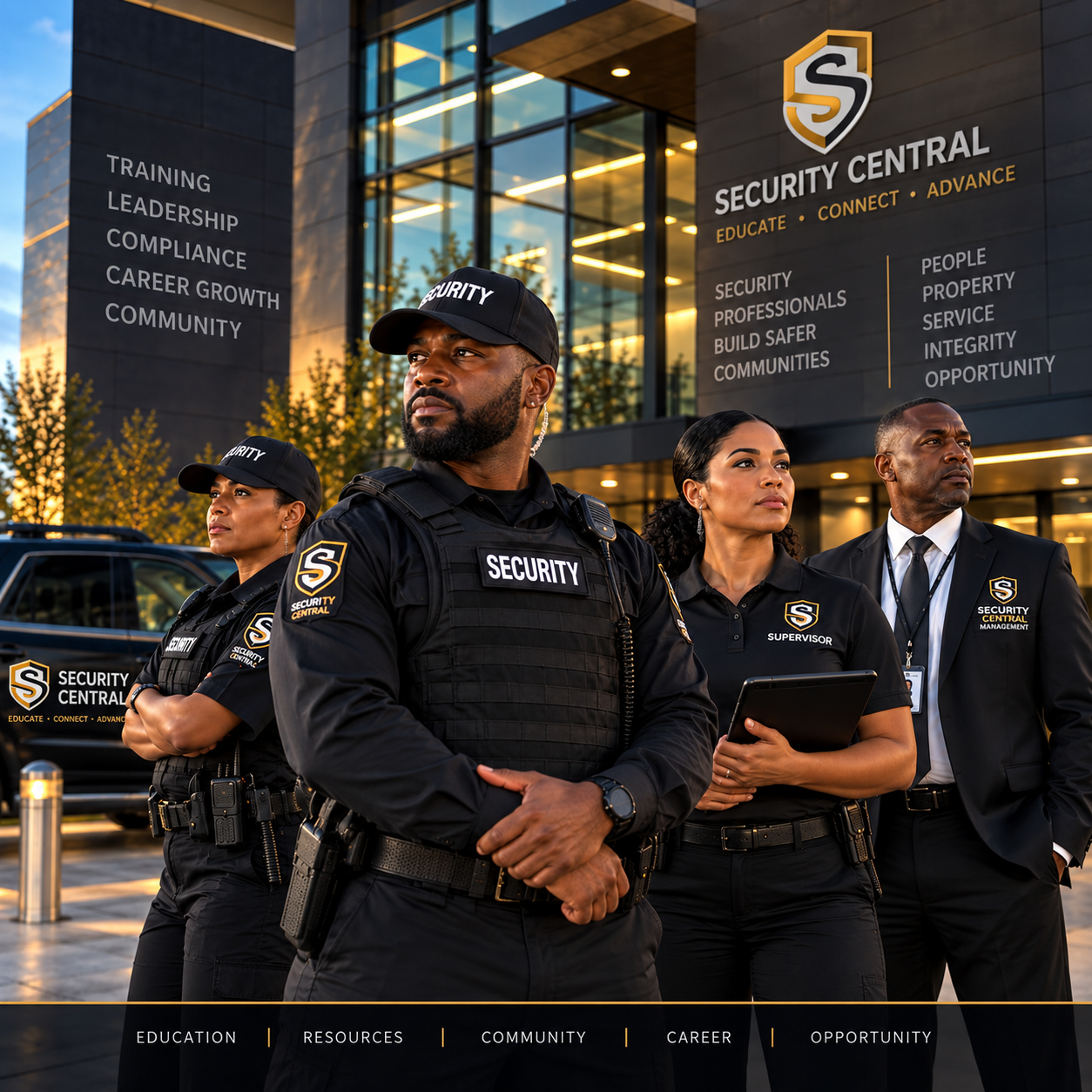
Security Central is being developed around that approach.
Instead of treating compliance as a collection of disconnected certificates, the goal is to provide company executives and compliance personnel with one centralized location for managing guard training information.
A company should be able to answer basic questions without searching through filing cabinets or multiple spreadsheets:
Which guards have completed required training?
Which guards have training approaching?
Which records are missing?
When was a particular training requirement completed?
What training activity has been recorded for an employee?
Good compliance management does not replace the PPO’s responsibility to understand applicable laws and regulations. It provides an organized system for managing the information necessary to carry out those responsibilities.
For California security companies, the challenge isn’t simply getting employees trained.
It’s knowing who was trained, when they were trained, what comes next, and where the documentation is located.
